Lodges and Bungalows
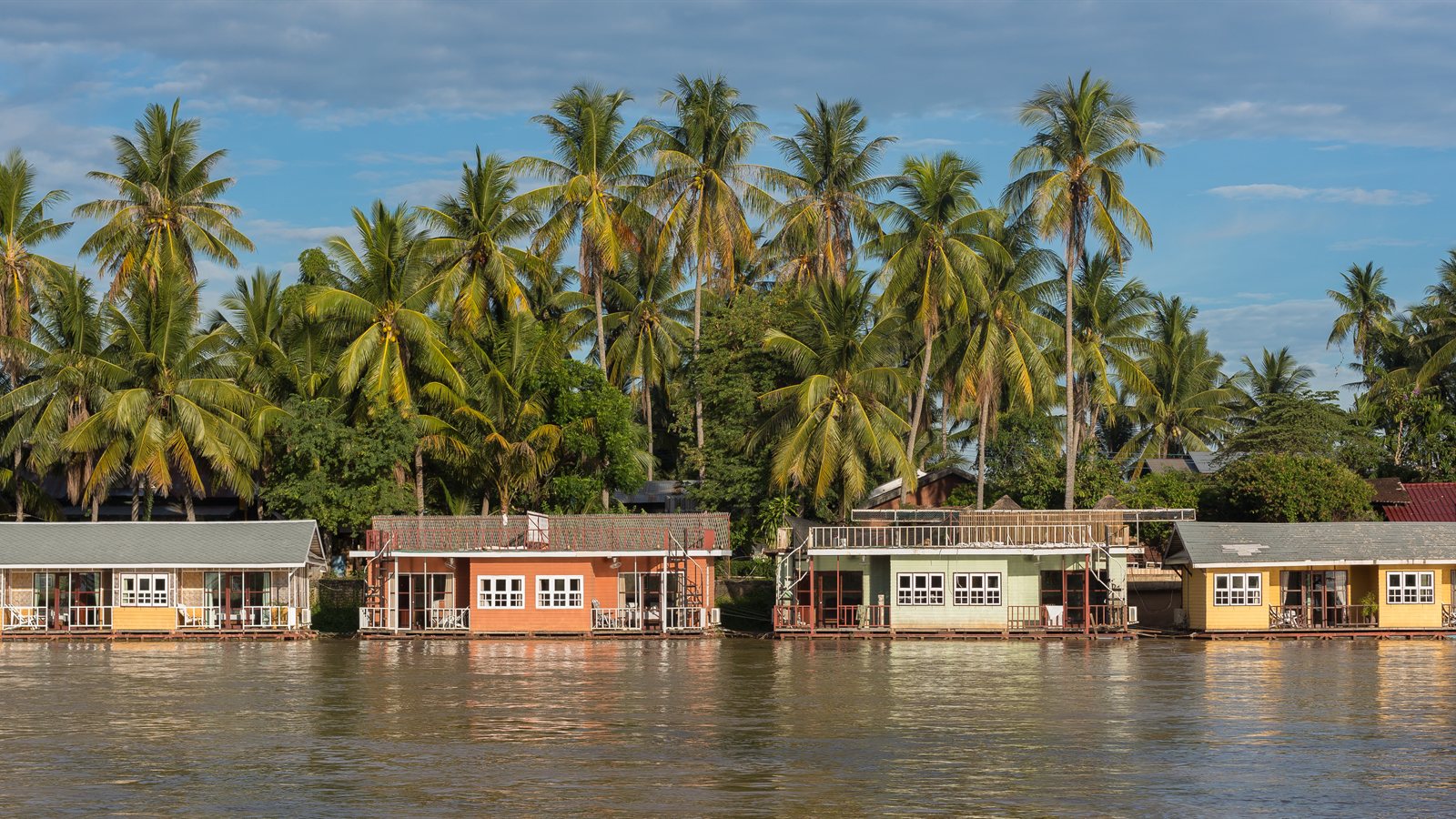
Fourteen units sleeping one to four, from single rooms for solo birdwatchers to family bungalows with two bedrooms and a shared veranda. Rates include all meals, transfers from the nearest town by boat, hide access, loan of binoculars and telescopes, laundry and a daily species board. Rooms are screened, fan-cooled, solar-powered and supplied with hot water at any hour. Stays of three nights or more include one guided boat trip per day, and there is no single supplement outside the peak migration weeks.
Guided Boat Birdwatching
Departures at dawn and in the last two hours of light, with an ornithologist and a boatman, running quietly into the lagoons, channels and reed islands. Trips are capped at six passengers so that everyone has a clear view and a place for a telescope. Routes change weekly with water level and breeding activity. Longer full-day trips reach the outer lagoons and the sandbanks where terns and gulls nest, with a shore picnic and time to walk. Everything recorded goes onto the lodge's list and is sent to guests afterwards.
Photography Hides and Sessions
Two hides and one floating hide can be reserved for exclusive photographic use, with pre-dawn access, ground-level shooting positions, bean bags and a screened approach. Sessions run for a half or full day and include a briefing on light, likely species and ethical distance. Playback and baiting are not permitted anywhere on the site. A guide can pole the floating hide into position and collect you at an agreed time, and charging, dry storage and a drying rail are available in the workshop.
Ringing Weeks and Field Courses
During spring and autumn migration, guests can join the ringing station for a week: net rounds at dawn, handling under licence for those qualified, data entry, and evening talks on migration routes and ageing techniques. Separate field courses cover wader and gull identification, bird song, wetland ecology and survey methods, taught in groups of eight with all equipment provided. Places are limited, run at cost, and are open to complete beginners as well as county recorders.
Small Group and Society Tours
Natural history societies, camera clubs and tour leaders can take the whole lodge for up to twenty-eight guests, with boats, guides, meals and hide allocation arranged around their programme. We provide a meeting room with a projector, a printed site guide, transfers from the airport and a flexible meal schedule that works around dawn and dusk sessions. Leaders receive a detailed briefing pack in advance, and we will happily work alongside a group's own guide rather than replacing them.
Kayaks, Walks and Quiet Days
For guests who want something other than birds, stable kayaks are available for the sheltered channels, and marked walking paths cross the dunes to a beach two kilometres away. A botanist leads plant walks in spring, a fisherman takes guests out with hand lines in the evening, and the kitchen runs an informal cooking session with whatever the garden and the water have produced. Hammocks, a small library and a shaded terrace exist specifically for the middle of the day, when nothing much is moving.